
LEFOQ- 250 TABLET
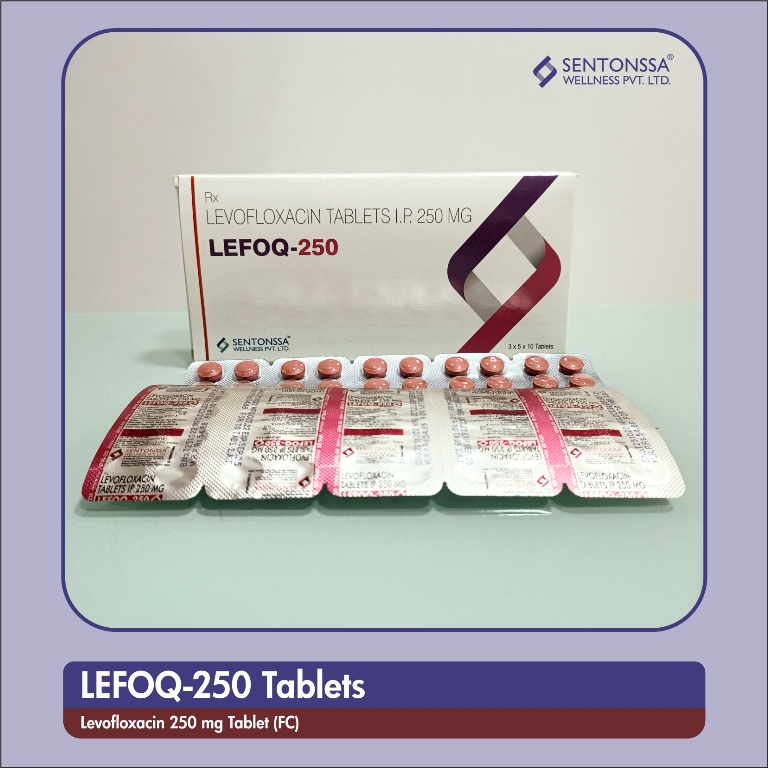
LEFOQ- 250 TABLET
Levofloxacin 250 mg Tablet (FC)
PACK: 10 Tablets
MRP: 49.98
Levofloxacin 250mg Tablet – LEFOQ-250
Uses, Dosage, Side Effects, Precautions & Product Information
Overview
Levofloxacin 250mg Tablet is a prescription antibacterial medicine containing Levofloxacin 250mg. It belongs to the fluoroquinolone group of antibiotics and is used for selected bacterial infections when treatment with levofloxacin is considered appropriate by a qualified healthcare professional.
Levofloxacin works by interfering with bacterial enzymes involved in DNA replication and repair. This prevents susceptible bacteria from growing and multiplying.
LEFOQ-250 is the brand name of this formulation and is manufactured by Sentonssa Wellness Pvt. Ltd.
Because fluoroquinolone antibiotics can cause serious adverse reactions, this medicine should be used only when clinically indicated and according to the prescription provided by a healthcare professional.
Brand Name
LEFOQ-250
Composition
Each film-coated tablet contains:
Levofloxacin Hemihydrate IP equivalent to Levofloxacin 250mg
Excipients: q.s.
Pack Size
3 × 5 × 10 Tablets
The tablets are supplied in blister packaging designed to provide protection during storage and handling.
Always check the product packaging for the current batch details, expiry date, storage conditions and other product-specific information.
What is Levofloxacin 250mg?
Levofloxacin is a fluoroquinolone antibacterial agent used against susceptible bacterial infections.
It works mainly by inhibiting bacterial enzymes known as DNA gyrase and topoisomerase IV. These enzymes are important for bacterial DNA replication, repair and maintenance.
By interfering with these processes, levofloxacin prevents susceptible bacteria from properly multiplying and surviving.
It is important to understand that antibiotics such as levofloxacin are effective against certain bacterial infections and do not treat viral illnesses such as the common cold or influenza.
Uses and Indications
Levofloxacin may be prescribed for selected bacterial infections in adults.
Depending on the approved indication and the patient's clinical condition, uses may include:
- Acute bacterial sinusitis
- Community-acquired pneumonia
- Acute bacterial exacerbation of chronic bronchitis
- Selected respiratory tract bacterial infections
- Complicated urinary tract infections
- Acute pyelonephritis
- Selected cases of uncomplicated cystitis
- Chronic bacterial prostatitis
- Complicated skin and soft-tissue infections
- Other susceptible bacterial infections for which treatment with levofloxacin is considered appropriate
The exact indication depends on the type of infection, the suspected or confirmed causative organism, bacterial susceptibility and the applicable prescribing information.
Appropriate Antibiotic Use
Fluoroquinolones are associated with important safety risks. Therefore, levofloxacin should generally be used when other suitable antibacterial treatments are considered inappropriate because of factors such as resistance, contraindication, intolerance or treatment failure.
Antibiotics should not be used unnecessarily or without appropriate medical evaluation.
How Does Levofloxacin Work?
Levofloxacin acts on important bacterial enzymes involved in DNA metabolism.
Its principal targets include:
- DNA gyrase
- Topoisomerase IV
These enzymes help bacteria replicate and repair their DNA. By inhibiting their activity, the medicine interferes with bacterial DNA processes and produces an antibacterial effect.
The effectiveness of treatment depends on whether the infecting bacteria are susceptible to levofloxacin.
Dosage and Administration
The appropriate dose depends on the infection being treated and the patient's individual clinical condition.
Factors considered by the prescribing doctor may include:
- Type of bacterial infection
- Severity of infection
- Susceptibility of the causative organism
- Kidney function
- Age
- Other medical conditions
- Other medicines being taken
Levofloxacin may be prescribed once or twice daily depending on the indication and clinical circumstances.
The dosage and duration should always be determined by a qualified healthcare professional.
How to Take LEFOQ-250
- Take the medicine exactly as prescribed.
- Swallow the tablet whole with sufficient water.
- It may generally be taken with or without food.
- Try to take it at a consistent time when a regular schedule has been prescribed.
- Do not change the prescribed dose yourself.
- Do not share the medicine with another person.
- Do not use leftover antibiotics for a future illness.
Antacids, Iron and Mineral Supplements
Certain medicines and supplements can interfere with the absorption of levofloxacin.
These may include products containing:
- Aluminium
- Magnesium
- Iron
- Zinc
- Sucralfate
Such products should generally be separated from the antibiotic according to the prescribing information. A healthcare professional or pharmacist can advise on the appropriate timing.
Patients should inform their doctor about all prescription medicines, over-the-counter products, vitamins and supplements they are taking.
Dosage in Kidney Problems
Levofloxacin is eliminated mainly through the kidneys.
Patients with reduced kidney function may therefore require an adjustment to their prescribed regimen.
If you have kidney disease or have been told that your kidney function is reduced, inform your doctor before starting treatment.
The dose should not be adjusted without medical advice.
Missed Dose
If you forget to take a dose, take it when you remember unless it is nearly time for the next scheduled dose.
Do not take two doses together to make up for a missed dose.
If you are unsure how to manage a missed dose, contact your doctor or pharmacist.
Side Effects
Like all medicines, levofloxacin may cause side effects, although they do not occur in every patient.
Common Side Effects
Reported side effects may include:
- Headache
- Dizziness
- Nausea
- Diarrhoea
- Vomiting
- Difficulty sleeping
- Skin rash
- Itching
- Hives
- Increased sweating
These effects may be mild and temporary in some patients. If symptoms persist, become severe or cause concern, medical advice should be obtained.
Other Possible Side Effects
Other adverse reactions may include:
- Loss of appetite
- Abdominal discomfort
- Indigestion
- Constipation
- Taste disturbances
- Anxiety
- Nervousness
- Sleepiness
- Tremor
- Vertigo
- Joint pain
- Muscle pain
- Changes in blood cell counts
- Changes in liver function tests
The likelihood and severity of adverse effects vary between individuals.
Serious Side Effects
Fluoroquinolone antibiotics can cause rare but potentially serious adverse reactions. Some reactions may be prolonged or, in certain cases, irreversible.
Patients should be aware of important warning symptoms.
Tendon Problems
Levofloxacin may cause tendinitis and tendon rupture.
The Achilles tendon is commonly affected, although other tendons may also be involved.
Risk may be increased in:
- Older adults
- Patients with kidney impairment
- Patients receiving corticosteroids
- Patients with a previous history of tendon disorders related to fluoroquinolones
Patients who develop tendon pain, swelling or inflammation should seek medical advice promptly.
Peripheral Neuropathy
Nerve-related symptoms may include:
- Tingling
- Burning sensation
- Numbness
- Pain
- Altered sensation
- Weakness
These symptoms may affect the hands, arms, feet or legs.
Patients should contact their healthcare professional promptly if new or unusual neurological symptoms develop.
Serious Allergic Reactions
Severe allergic reactions can occur, sometimes after the first dose.
Warning symptoms may include:
- Swelling of the face
- Swelling of the lips
- Swelling of the tongue or throat
- Difficulty breathing
- Difficulty swallowing
- Severe skin rash
- Dizziness or collapse
Immediate medical attention is required if a serious allergic reaction is suspected.
Serious Skin Reactions
Rare but serious skin reactions have been reported.
These may include:
- Stevens-Johnson syndrome
- Toxic epidermal necrolysis
- DRESS syndrome
A widespread rash, blistering, peeling skin, fever or facial swelling requires urgent medical evaluation.
Severe or Persistent Diarrhoea
Diarrhoea can occur during antibiotic treatment.
However, severe, persistent or bloody diarrhoea may indicate a more serious intestinal condition, including Clostridioides difficile-associated diarrhoea.
Patients with severe or persistent diarrhoea should contact their healthcare professional.
Psychiatric and Nervous System Effects
Possible serious reactions may include:
- Confusion
- Anxiety
- Agitation
- Hallucinations
- Mood changes
- Sleep disturbances
- Psychotic reactions
- Depression
- Rare suicidal thoughts or behaviour
Prompt medical attention should be sought if significant psychological or neurological changes occur.
Liver Problems
Rare liver-related reactions may occur.
Seek medical advice if symptoms such as the following develop:
- Yellowing of the skin or eyes
- Dark urine
- Loss of appetite
- Severe abdominal discomfort
- Persistent itching
- Unusual tiredness
Contraindications
LEFOQ-250 should not be used in patients with:
- Known allergy or hypersensitivity to levofloxacin
- Allergy to other quinolone or fluoroquinolone antibiotics
- Hypersensitivity to any component of the formulation
- Epilepsy
- Previous tendon disorders associated with fluoroquinolone treatment
- Pregnancy
- Breastfeeding
- Children and growing adolescents where contraindicated by the applicable product information
The patient's medical history should be reviewed before treatment is initiated.
Warnings and Precautions
Tell your doctor before taking this medicine if you have or have previously experienced:
- Kidney disease
- Liver disease
- Heart rhythm problems
- Prolonged QT interval
- Low potassium or magnesium levels
- Seizure disorders
- Diabetes
- G6PD deficiency
- Tendon problems
- Peripheral neuropathy
- Psychiatric disorders
- Myasthenia gravis
- Aortic aneurysm or other significant vascular disease
- Heart valve disease
Additional caution may be necessary when levofloxacin is prescribed with medicines that can affect heart rhythm or increase the risk of seizures.
Patients with a previous serious reaction to a quinolone or fluoroquinolone should tell their doctor before receiving another medicine from this group.
Drug Interactions
Inform your doctor or pharmacist about all medicines and supplements you are taking.
Potentially important interactions may occur with:
- Aluminium-containing antacids
- Magnesium-containing antacids
- Iron preparations
- Zinc supplements
- Sucralfate
- Warfarin and other vitamin K antagonists
- Corticosteroids
- Theophylline
- Certain antiarrhythmic medicines
- Some antidepressants
- Some antipsychotic medicines
- Other medicines that may prolong the QT interval
Some medicines can reduce absorption, while others may increase the risk of adverse reactions.
A healthcare professional should review the patient's complete medication list before treatment.
Pregnancy
The use of levofloxacin during pregnancy requires medical assessment.
Women who are pregnant, planning pregnancy or believe they may be pregnant should inform their doctor before taking this medicine.
The benefit-risk profile should be assessed by the treating healthcare professional before prescribing.
Breastfeeding
Levofloxacin is generally not recommended during breastfeeding according to product safety information.
Patients who are breastfeeding should inform their doctor before treatment so that an appropriate antibacterial option can be considered.
Use in Children
Levofloxacin is generally not recommended for routine use in children and growing adolescents because of concerns associated with fluoroquinolone use in developing musculoskeletal systems.
Use in younger patients should only occur when specifically justified by the treating specialist and applicable prescribing information.
Use in Elderly Patients
Older adults may have a higher risk of certain adverse reactions, particularly tendon-related problems.
Kidney function should also be considered when determining the appropriate dosage because renal function may decline with age.
Patients receiving corticosteroids may have an additional risk of tendon injury.
Driving and Operating Machinery
Levofloxacin may cause dizziness, vertigo, drowsiness or visual disturbances in some patients.
Do not drive or operate machinery if you experience symptoms that affect alertness, coordination, vision or concentration.
Storage
Store LEFOQ-250 according to the storage instructions stated on the product packaging.
General precautions include:
- Keep the medicine in its original packaging.
- Protect it from excessive heat and moisture.
- Keep away from direct sunlight.
- Keep out of reach of children.
- Do not use after the expiry date.
- Do not use tablets if the packaging is damaged.
- Dispose of unused or expired medicines appropriately.
Product Information
Product DetailsInformationBrand NameLEFOQ-250Generic NameLevofloxacinStrength250mgDosage FormFilm-Coated TabletTherapeutic CategoryFluoroquinolone AntibacterialRoute of AdministrationOralCompositionLevofloxacin Hemihydrate IP equivalent to Levofloxacin 250mgPack Size3 × 5 × 10 TabletsManufacturerSentonssa Wellness Pvt. Ltd.Prescription StatusPrescription Medicine
Product Summary:
LEFOQ-250 contains Levofloxacin 250mg and is a prescription antibacterial medicine used for selected bacterial infections when considered appropriate by a qualified healthcare professional. It should be used strictly according to the prescribed dosage and duration.
Levofloxacin 250mg Tablet Manufacturer
LEFOQ-250 is manufactured by Sentonssa Wellness Pvt. Ltd.
Sentonssa Wellness Pvt. Ltd. is engaged in pharmaceutical manufacturing and offers a range of formulations across different therapeutic categories and dosage forms.
For current product availability, pharmaceutical manufacturing enquiries, commercial requirements and product-related information, interested businesses can contact the company.
PCD Pharma Franchise Opportunity
Sentonssa Wellness Pvt. Ltd. offers pharmaceutical products for eligible distribution and pharmaceutical business requirements.
Businesses interested in a Levofloxacin 250mg Tablet PCD Pharma Franchise can enquire about:
- Product availability
- Territory availability
- Commercial terms
- Product portfolio
- Packaging options
- Marketing support
- Distribution requirements
- Applicable documentation
All prescription antibacterial products should be promoted, distributed and supplied according to applicable pharmaceutical laws and regulatory requirements.
Frequently Asked Questions
What is Levofloxacin 250mg Tablet?
It is a prescription antibacterial medicine containing Levofloxacin 250mg. It belongs to the fluoroquinolone class and is used for selected bacterial infections when considered appropriate by a healthcare professional.
What is Levofloxacin 250mg used for?
It may be prescribed for selected bacterial infections involving the urinary tract, respiratory system, sinuses, prostate, skin and soft tissues, depending on the patient's condition and approved indication.
Is LEFOQ-250 an antibiotic?
Yes. LEFOQ-250 contains levofloxacin, which is a fluoroquinolone antibacterial medicine.
Can this medicine treat cold or flu?
No. Levofloxacin does not treat viral infections such as the common cold or influenza.
How should LEFOQ-250 be taken?
Take it in the dose and for the duration prescribed by your doctor. The tablet may generally be taken with or without food and should be swallowed whole.
Can I take an antacid with LEFOQ-250?
Some antacids containing aluminium or magnesium can interfere with absorption. Iron, zinc and sucralfate may also interact. Ask your doctor or pharmacist about the correct timing.
Can I stop taking the antibiotic when I feel better?
Do not stop or change the prescribed treatment without consulting your doctor. Stopping treatment without medical advice may affect the management of the bacterial infection.
What if I forget a dose?
Take the missed dose when remembered unless it is almost time for your next dose. Do not take a double dose to compensate.
Can this medicine cause diarrhoea?
Yes. Diarrhoea is a commonly reported side effect. If diarrhoea is severe, persistent or contains blood, contact your doctor promptly.
What should I do if I develop tendon pain?
Contact your healthcare professional promptly. Tendon inflammation and rupture are recognized risks associated with fluoroquinolone antibiotics.
Can this medicine cause dizziness?
Yes. Dizziness and vertigo can occur. Avoid driving or operating machinery if you feel dizzy or otherwise impaired.
Can it be taken during pregnancy?
Women who are pregnant or planning pregnancy should consult their doctor before taking this medicine. The healthcare professional will assess whether treatment is appropriate.
Can it be taken while breastfeeding?
Levofloxacin is generally not recommended during breastfeeding. Discuss suitable treatment options with your healthcare professional.
Can children take this medicine?
Routine use in children and growing adolescents is generally avoided because of fluoroquinolone safety considerations. Use should follow applicable prescribing information and specialist advice.
Is Levofloxacin 250mg safe?
It can be used safely in appropriate patients when prescribed and monitored by a healthcare professional. However, fluoroquinolones have important safety warnings, so they should not be used without medical supervision.
Can kidney patients take this medicine?
Patients with kidney impairment may require a dose adjustment. Tell your doctor about any kidney condition before starting treatment.
Important Safety Information
LEFOQ-250 contains levofloxacin, a fluoroquinolone antibacterial medicine.
Fluoroquinolones have been associated with serious adverse reactions involving tendons, muscles, joints, nerves and the central nervous system. Some reactions can be prolonged or potentially irreversible.
Seek medical attention if you experience:
- Tendon pain or swelling
- Numbness or tingling
- Severe or persistent diarrhoea
- Severe allergic symptoms
- Serious skin reactions
- Significant psychiatric or neurological changes
- Severe abdominal symptoms
- Yellowing of the skin or eyes
- Other serious or unusual symptoms
This medicine should be used only under the supervision of a qualified healthcare professional.
Disclaimer
Disclaimer: The information provided on this page is for educational and informational purposes and is intended to support healthcare professionals, pharmacists, nurses, paramedical staff and other appropriate healthcare audiences.
This content does not replace professional medical advice, diagnosis or treatment.
LEFOQ-250 is a prescription medicine and should be used only under the supervision of a qualified healthcare professional. Do not self-medicate with antibiotics or change the prescribed dose or treatment duration without medical advice.
The information on this page may not include every possible indication, contraindication, warning, precaution, drug interaction or adverse reaction.
Product composition, indications, pack size, regulatory status, manufacturer information and other product details should be verified against the current approved product documentation before publication or use.
Sentonssa Wellness Pvt. Ltd. does not encourage the inappropriate, unnecessary or self-directed use of antibiotics.